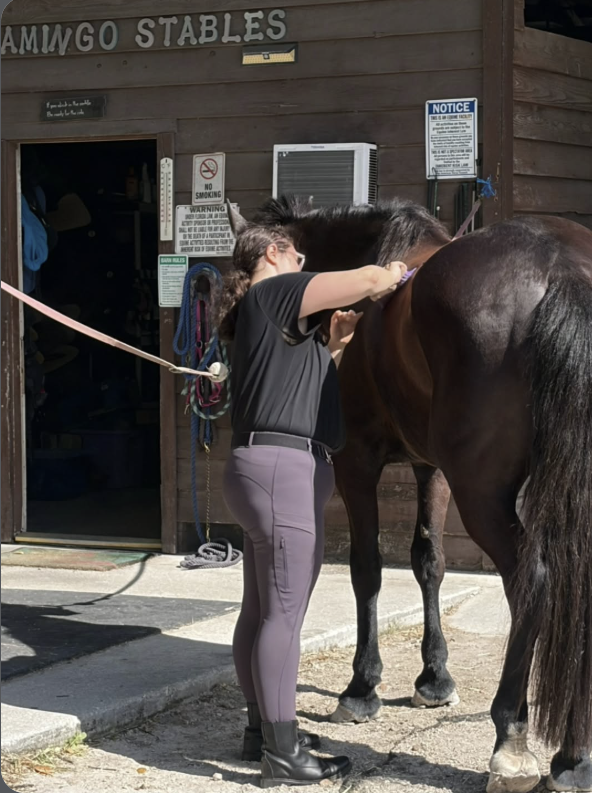
I can’t feel the beat. Turns out I never could- not on the dance floor, and not anywhere else.
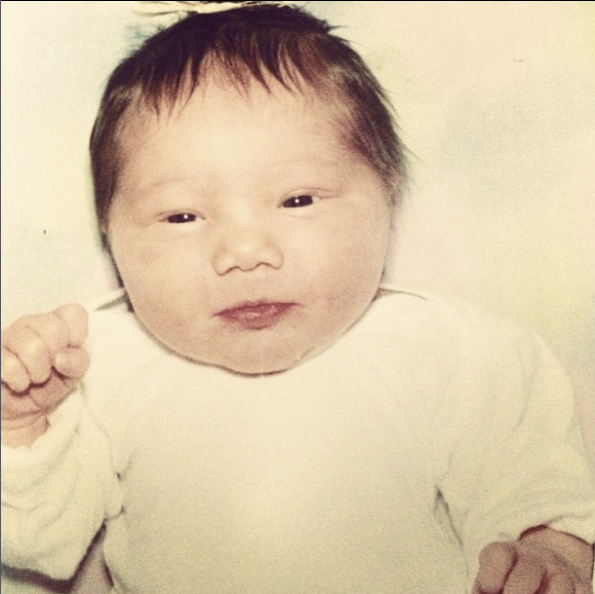
I can’t dance. Not in the cute, self-deprecating way people say it at weddings. I genuinely cannot feel rhythm. Despite coming from a family of dancers and occasional musicians.
The music starts, and everyone around me seems to slip into the same pulse. I’m standing there counting, watching feet, trying to reverse-engineer something that comes naturally to everyone else. And after finally catching on for a few beats, I lose it. Any semblance of being on rhythm at all fades away- left completely unrecognized.
For a long time I thought that was just a funny quirk. A book nerd can’t sing or dance? Well. It’s not really surprising. Lately I’ve realized it’s the most honest metaphor I have for my whole life.
Being neurodivergent feels like living one count off. Everyone else hears a beat I can’t quite catch. I can see it. I can study it. I can approximate it well enough that most people won’t notice in every moment. But I’m never really inside it. Part of it. And even if I’m around others on a different beat it’s still not the same as my own.
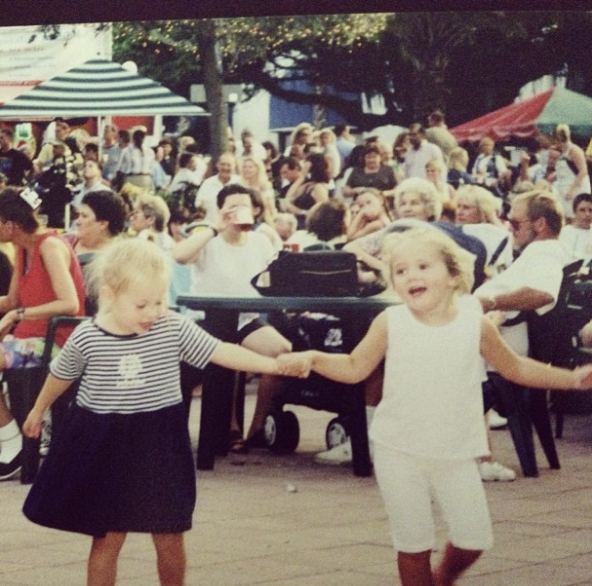
That gap doesn’t stay on the dance floor. It shows up in conversations where my laugh lands a half-second late. In jokes I take literally. In rooms where I said something honest and felt the temperature drop without understanding why. As if answering a question was being too blunt or passive aggressive.
Kids notice that gap long before anyone has a name for it. For me, that meant bullying- the kind that teaches you early that being yourself is a risk. So you learn to watch everyone. To rehearse. To translate yourself into something that will go over okay. Don’t stand out. Don’t disappear. Find a line that you can maintain. Koreans even have a word for it: 눈치(nunchi).
And even when it works, it’s rarely quite right. Misunderstood, or almost understood. Close enough to be included. Not close enough to be known. A lifetime of just enough and not quite enough.
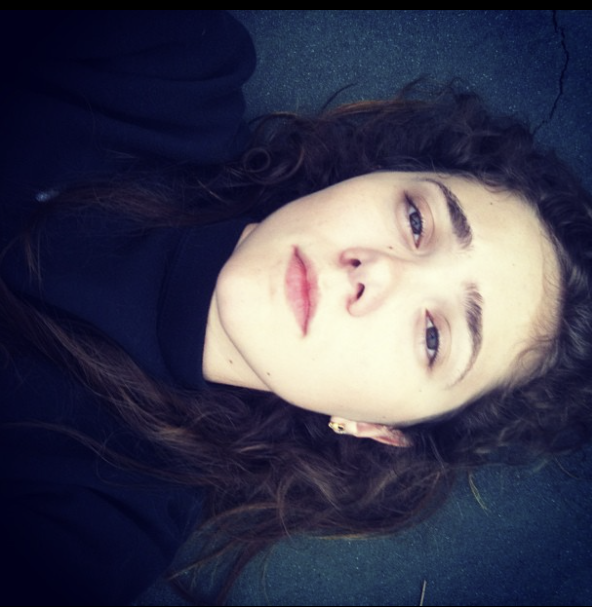
Here’s the part nobody sees: the translating never stops. Every interaction runs on two tracks. There’s the conversation itself, and a constant background check on how I’m coming across. A brain that is having to be split in even more directions than it already is trying to split into.
That’s exhausting. The sensitivity that comes from a lifetime on guard doesn’t take days off. A tone, a pause, a flicker on someone’s face and it all registers. Over time that turns into a burnout that, from the outside, just looks like being quiet. Or tired. Or “a lot.” Or consistently misunderstood.
The hardest part is that I almost never get to fully relax. Because the version of me that relaxes is the version that has gotten me hurt before. It’s the version that never was met with acceptance or peace.
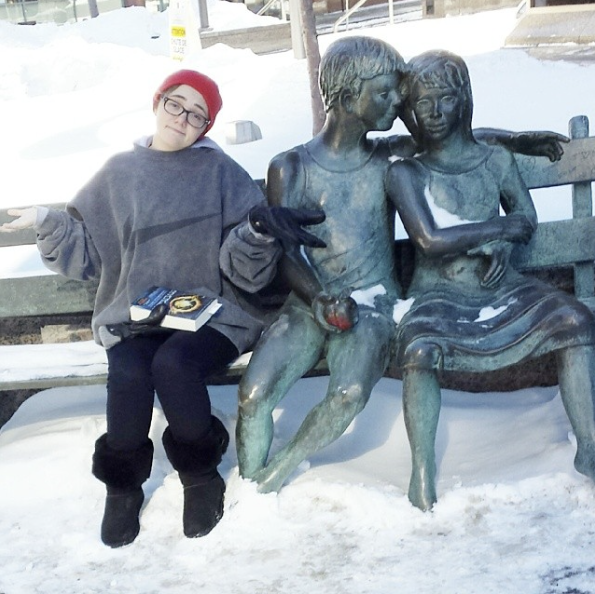
All of that adds up to a very specific kind of loneliness. Not always being alone, sometimes I’m surrounded by people, but being slightly out of step with every one of them. The shot in the movie where crowds of people seemingly swarm around their silently standing main character. Out of time.
That loneliness isn’t dramatic. It’s slow and quiet, and it builds. And it’s worth saying plainly: chronic loneliness isn’t just sad. It wears down the body and the mind. For a lot of people who have spent their whole lives not quite fitting, it becomes a killer.

So if you read this and recognized yourself: you are not broken for moving to a different rhythm. You’re not imagining how hard it is. And you’re not the only one keeping your own time.
Maybe we’ll never dance to the same beat as everyone else. We can still find each other. Don’t give up hope.
— Lauren 🖖🏻
If you’re struggling right now, you can call or text 988 to reach the Suicide & Crisis Lifeline (US). You deserve support.

Lauren Grace Zemel Writer · Model · Radiologic Technology Student · Wellness Explorer
South Florida based creative building a life at the intersection of science, storytelling, and community. Gentle Strength is my home base.
📸 @laurengracezemel 🌿 laurengracezemel.com