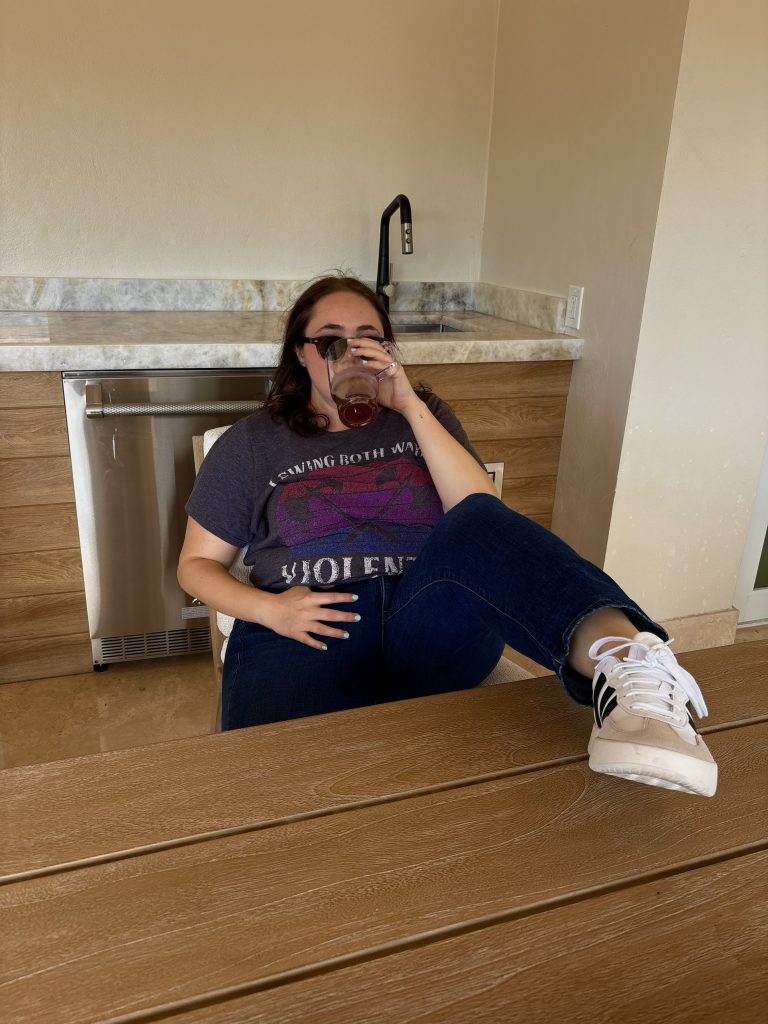
I’m bisexual. I wasn’t hiding. You just never asked.
I have known I was bisexual for most of my life.
I didn’t agonize over it. I didn’t lie awake confused. I didn’t have a slow dawning realization I had to sit with for years. It was just a thing that was true about me, the way being left-handed is true about some people, unremarkable and just sort of there.
The problem wasn’t knowing. The problem was that nobody ever asked.
The Assumption Nobody Examines
Here is how it works, more often than people realize: the world looks at you and makes an assumption. In my case the assumption was straight. Nobody asked a follow-up question. Nobody left a gap in the conversation where a different answer could have fit. Straightness was just assigned, quietly, the way it gets assigned to most people, and then everybody moved on.
I didn’t correct it. Not because I was ashamed. Not because I was scared. But because it never came up, and bringing it up myself felt like making an announcement about something that didn’t feel announcement-worthy to me. It was just true. It had always been true. It felt strange to treat it like news.
So I didn’t. For years.
The Pressure That Built Up Anyway
Here’s what nobody tells you about being bisexual and quiet about it for a long time: eventually the silence starts to feel like a statement you didn’t mean to make.
By 29 I had been casually, undramatically bisexual for my entire adult life and had told almost no one. Not because of a closet. Not because of shame. Just because the moment had never arrived organically and I had never manufactured one.
And then I started to feel a pressure I hadn’t anticipated. A sense that I had waited too long, that not having come out formally by 29 meant I now owed people a bigger explanation than I would have at 19. That the delay itself required justification. That I had somehow done something wrong by simply existing without making an announcement.
The coming out scripts I had ever seen were designed for someone younger, someone in a family crisis, someone with something dramatic at stake. They weren’t designed for a 29 year old who just quietly knew and never made a thing of it and now felt weirdly obligated to perform a moment she’d never actually needed.
What It Actually Looked Like
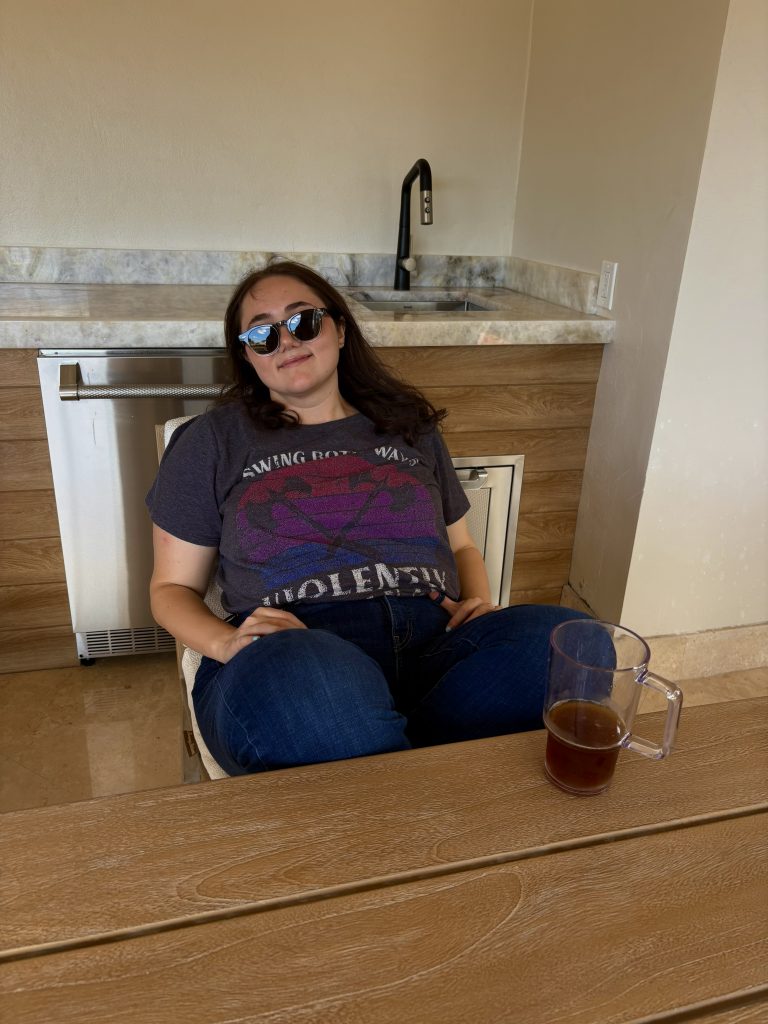
When I finally did it — finally said the word out loud in context, finally made it a declared thing — it was awkward. It was performative. It felt completely unlike me.
It felt like putting on a costume for an occasion I hadn’t actually planned to attend. Like reading lines from a script written for someone else’s story. The people I told were kind. The responses were warm. And I still felt, through all of it, vaguely like I was doing something wrong — not morally wrong, but tonally wrong. Wrong for who I actually am and how I actually move through the world.
I’ve thought about that a lot since. About the gap between what coming out looked like and what it felt like. About how the performance of it, however well-intentioned, managed to make the most authentically known thing about my identity feel suddenly foreign and strange.
What I Actually Wish
I wish someone had just asked.
Not intrusively. Not as an interrogation. Just — left space. Created room for an answer that wasn’t the default. Let the assumption be a question instead.
I wish the cultural script for coming out had a version that went: hey, this is just true about me, it’s always been true, it’s not a big deal to me personally, I’m telling you because I want you to know, full stop. No fanfare required. No milestone energy. Just a fact, shared between people who know each other.
I’m bisexual. I wasn’t hiding. You just never asked.
And now you know.
A Note for Anyone Who Recognizes This
If any part of this resonates — if you’ve been quietly, undramatically something for years and the idea of formalizing it feels more awkward than the thing itself — I want you to know that’s valid. There’s no deadline. There’s no minimum level of drama required. Your identity doesn’t owe anyone a performance.
You can come out in a blog post at 29. You can come out in a conversation. You can come out by simply not correcting an assumption anymore. You can do it however it actually feels like you, because the whole point is that it’s yours.
If you or someone you know needs support, The Trevor Project provides 24/7 crisis intervention for LGBTQ+ youth.
Happy Pride. 🖤🩷💜
— Lauren 🖖🏻
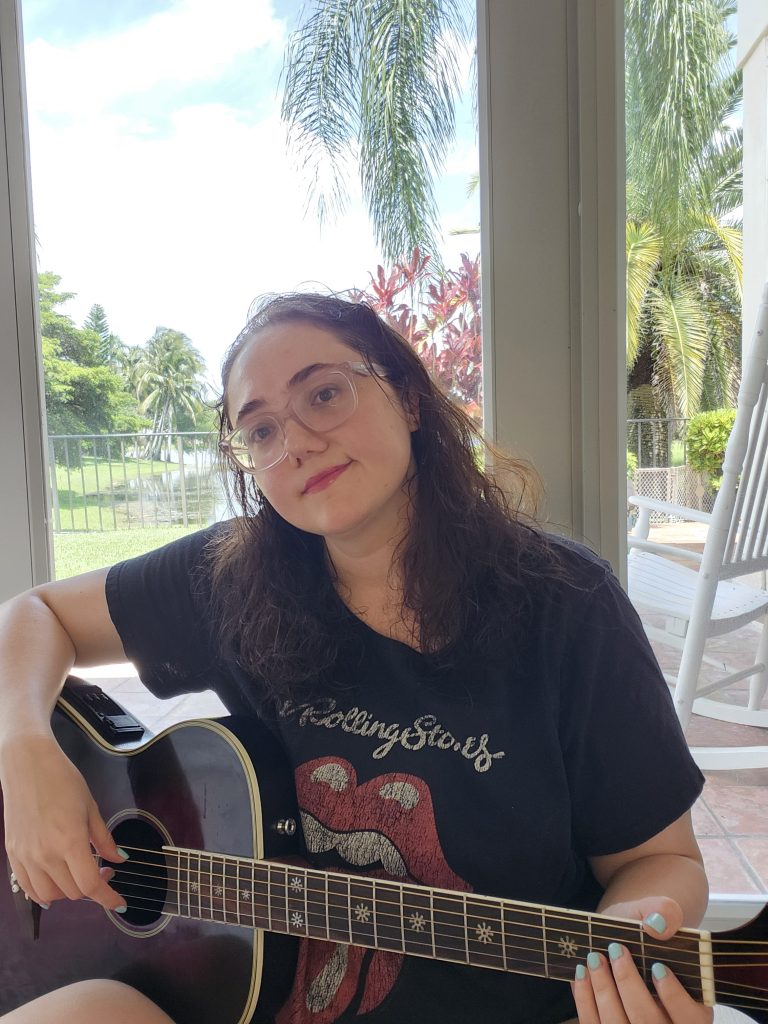
Lauren Grace Zemel Writer · Model · Radiologic Technology Student · Wellness Explorer
South Florida based creative building a life at the intersection of science, storytelling, and community. Gentle Strength is my home base.
📸 @laurengracezemel 🌿 laurengracezemel.com