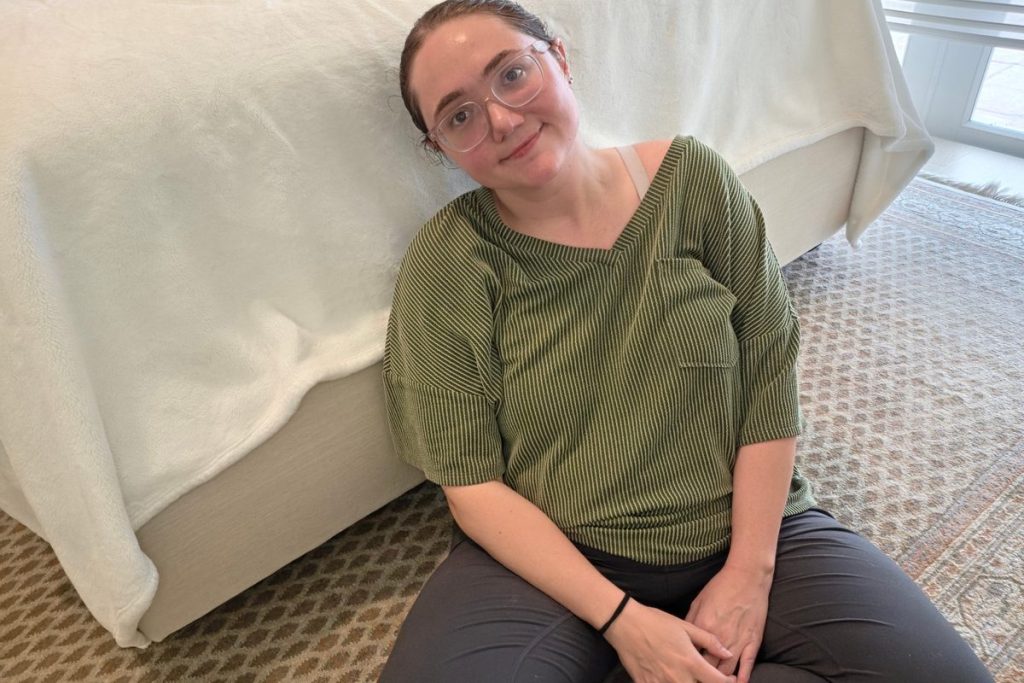
The quiet insistence on presence in a world designed for rushing and receiving.
I miss when Thanksgiving was allowed to exist. When Halloween and Christmas consumerism hadn’t destroyed a national holiday, and Thanksgiving season actually got to be its own thing. And yes, I know that’s a strange and bitter sounding thing to say about a holiday that still technically happens. But somewhere in the last decade or so, Thanksgiving got swallowed by what retailers actually call “Christmas creep”. Halloween ends and Christmas begins: the stores, the playlists, the commercials, the entire retail and cultural apparatus skips November entirely like it’s an inconvenient layover between the fun holidays. All the fun Lifetime Channel & Hallmark Channel movie marathon moments dashed into an oblivion of the non-Jewish girl Jewish girl finds her hot Christmas man in a small-town Christmas festival that needs saving. Again.
Is it just me who remembers the time when Thanksgiving was actually a thing? The Macy’s parade. Football. Specific November
smells and colors (even in Florida somehow) and a whole cultural season that said: slow down. It’s fall. Be
grateful. Enjoy some time with your loved ones.
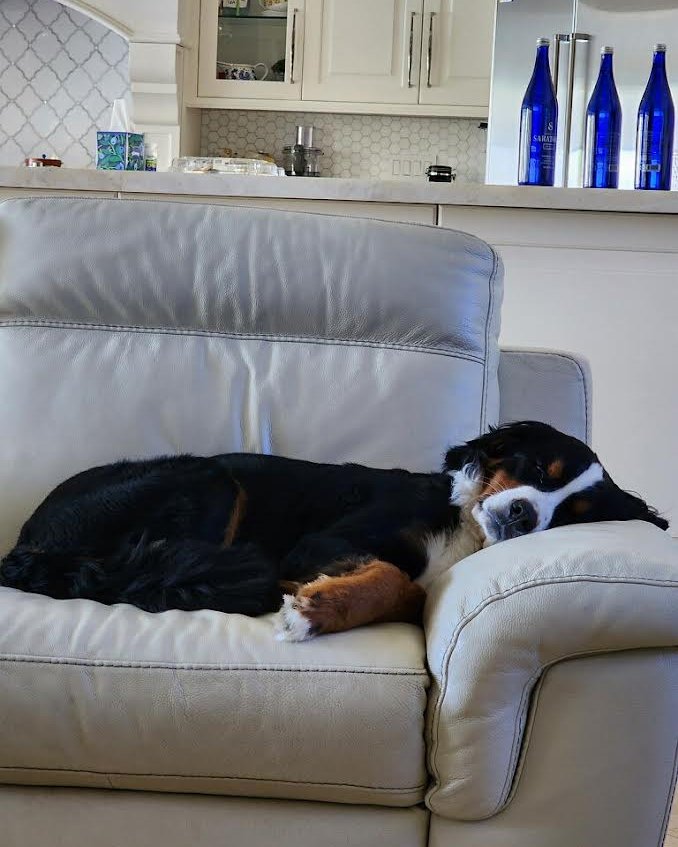
There’s something I find genuinely sad about the disappearance of part of the seasonal rhythm. We evolved with
seasons. Our bodies and minds expect them — the cooling down, the turning inward, the harvest pause
before the winter celebration. When the commercial calendar collapses everything into one long Christmas
runway, we lose something real. A moment of stillness. A permission to be quietly thankful before the
sparkle and the noise. The chances to build memories outside of a season of buying.
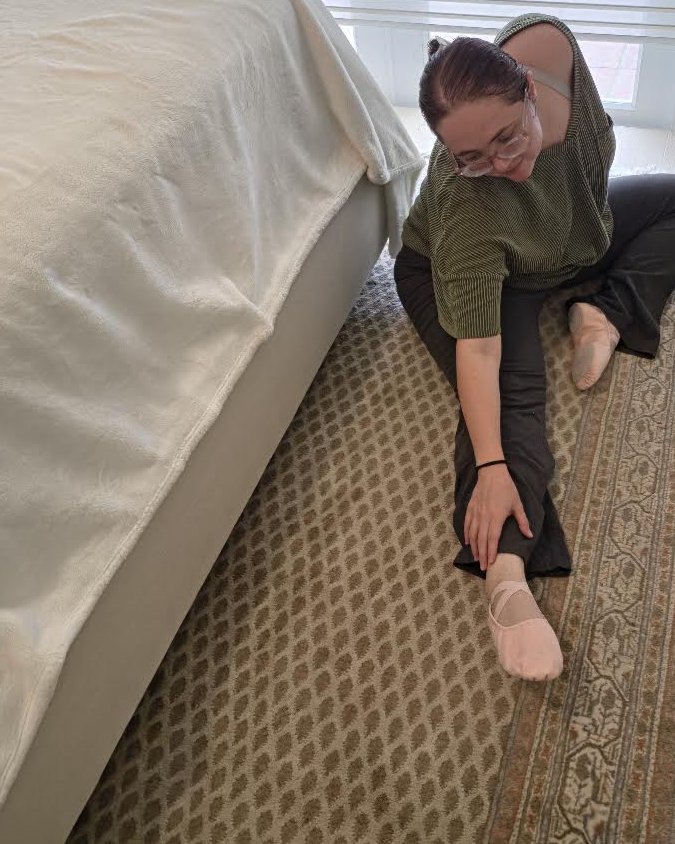
So this year I’m reclaiming it. November gets its season back in my house. The autumn colors stay up until December. The gratitude practice happens in November because that’s when it belongs. The pie gets made. The table gets set. And for one month, we slow down and notice what we have before we celebrate what we’re about to receive. It’s the same kind of presence I wrote about in The Mind That Makes Things — just applied to a whole season instead of a single practice.
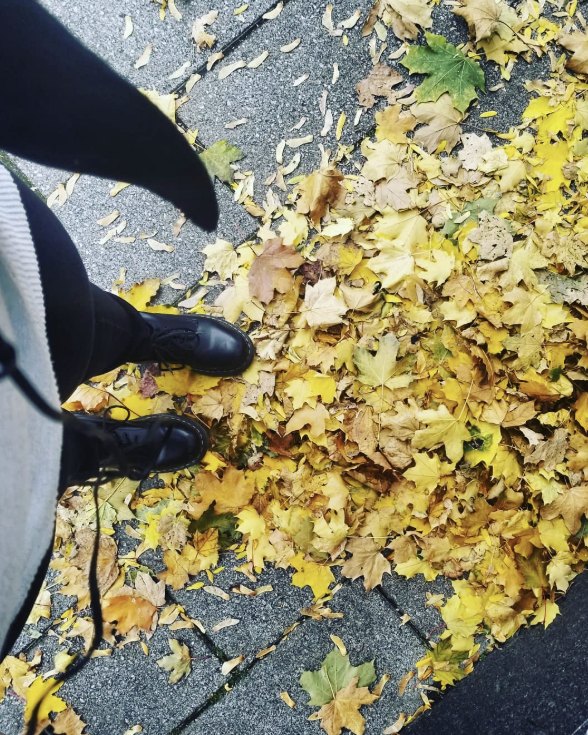
That feels like gentle strength to me. The quiet insistence on presence in a world designed for rushing and receiving. A quiet stand for giving.
— Lauren 🖖🏻

Lauren Grace Zemel Writer · Model · Radiologic Technology Student · Wellness Explorer
South Florida based creative building a life at the intersection of science, storytelling, and community. Gentle Strength is my home base.
📸 @laurengracezemel 🌿 laurengracezemel.com
The right piece will feel like recognition, not aspiration. Like finding something that was already yours.

Before you buy a single thing, let me ask you something nobody in the fashion industry wants you to sit with for too long.
Who are you? Not who you want to be eventually. Not the aspirational Pinterest board version. Not the person you’ll become after the weight loss or the promotion or the move. Who are you right now, today, in the body you actually have and the life you are actually living?
I ask because I spent years avoiding buying clothes because I was too scared to answer those questions. Which meant I had to watch as others wore things I dreamed about on my body. And have those unfulfilling half assed moments of an okay blazer for pretending to be put together at an event or body suiting but bland dress for a dinner out. Basics for the version of me that was minimalist and serene. None of it was for the version of me that actually existed. The one who did taekwondo and loved Korean streetwear and wanted to look like she’d walked out of a 1950s film but make it grunge somehow.
That person had no clothes. Because I’d never stopped to name her. I didn’t want to experiment in an environment that wasn’t automatically set up for it.
Know Your Aesthetic Before You Know Your Wardrobe
Style identity is not about trends. It’s not about what’s flattering in a generic sense or what the algorithm is pushing this season. It’s about the specific, personal, slightly-hard-to-explain feeling you get when you put something on and think: yes. That’s it. That’s me.
For me that feeling has a name now: Eclectic Vintage Grunge with East Asian Edge. Which sounds like a lot until you see it. The 1950s silhouette, the grunge rebellion, the Korean streetwear precision, the preppy backbone that ties it all together. It took me years to name it. Because the idea of naming your style felt silly until a particularly devoted fashion student gave me one of the most eloquent arguments I have ever heard. Once I did, getting dressed became a completely different experience.
Your aesthetic has a name too. You just might not have found it yet. And naming it can be a fun way to help recognize it when you are searching.
Dress the Body You Have. Not the One You’re Working Toward.
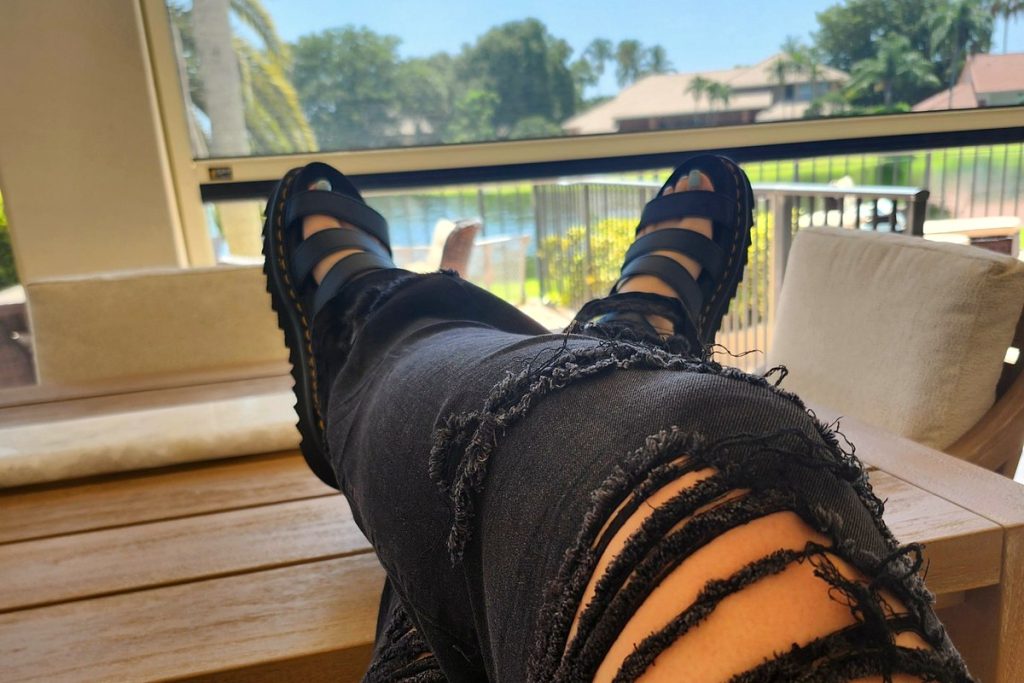
This is the part nobody says out loud so I will. There is a version of style advice that is essentially wait. Wait until you’re smaller. Wait until you’re different. Buy the cheap stuff for now and invest later when you’ve earned it. I reject this almost completely. If you are currently in the process of losing weight we don’t need to rush to break your budget on temporary clothes.
But you do deserve clothes that fit and flatter and feel like you right now. Not as a consolation prize. Not as a temporary measure. As a basic act of self-respect. You are an important piece of the world puzzle.
That said, there is a smart way to think about this. Some pieces are worth investing in at any size or stage: quality shoes, a good bag, outerwear, jewelry you love. These anchor your wardrobe and don’t change with your body. Other pieces like jeans, fitted tops, anything very body-specific, buy at a budget until your body settles where it’s going. Not because you’re less worthy now. Because it’s just practical.
I call these permanent collection pieces versus interim pieces. Permanent gets the budget. Interim gets the practicality.
The High-Low Philosophy

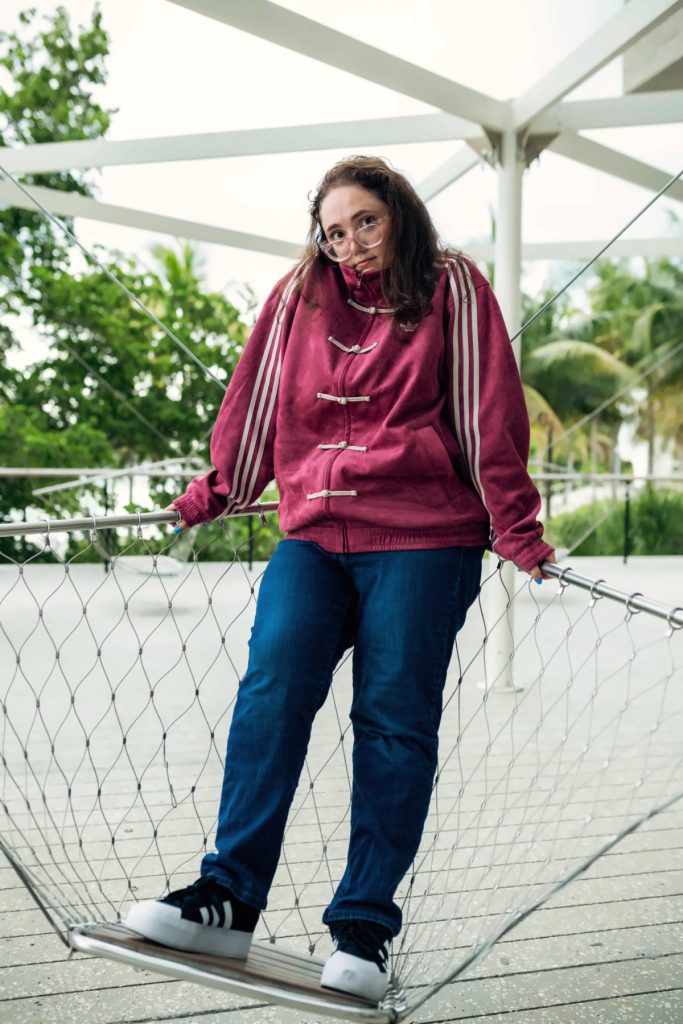
I pair the iconic Burberry trench coat with Old Navy jeans. Ralph Lauren with thrifted finds. Kate Spade with a five dollar earring from a street market in Seoul that I’ve worn more than anything I’ve ever paid real money for. Dr. Martens mean more to me than any Christian Louboutin because I can have them for almost forever. Ava & Viv from Target is an exceptionally wonderful brand and should not be discounted because it doesn’t sell as high luxury goods. And while the experience at a luxury department store is wonderful sometimes I enjoy the casual kindness from Marshalls. It’s about whether I am thinking about price, quality or purpose in that moment.
High-low dressing is not about budget limitations. It’s about understanding that price and style are not the same thing. The most stylish people I know are not the ones with the most expensive wardrobes. They’re the ones who know exactly who they are and dress accordingly. At whatever price point that requires on a given day. They are also the ones who know that when you buy something it is not always about price or quality but purpose.
A thrifted gem in the right hands is worth more than a designer piece worn without conviction.
Before You Buy Anything
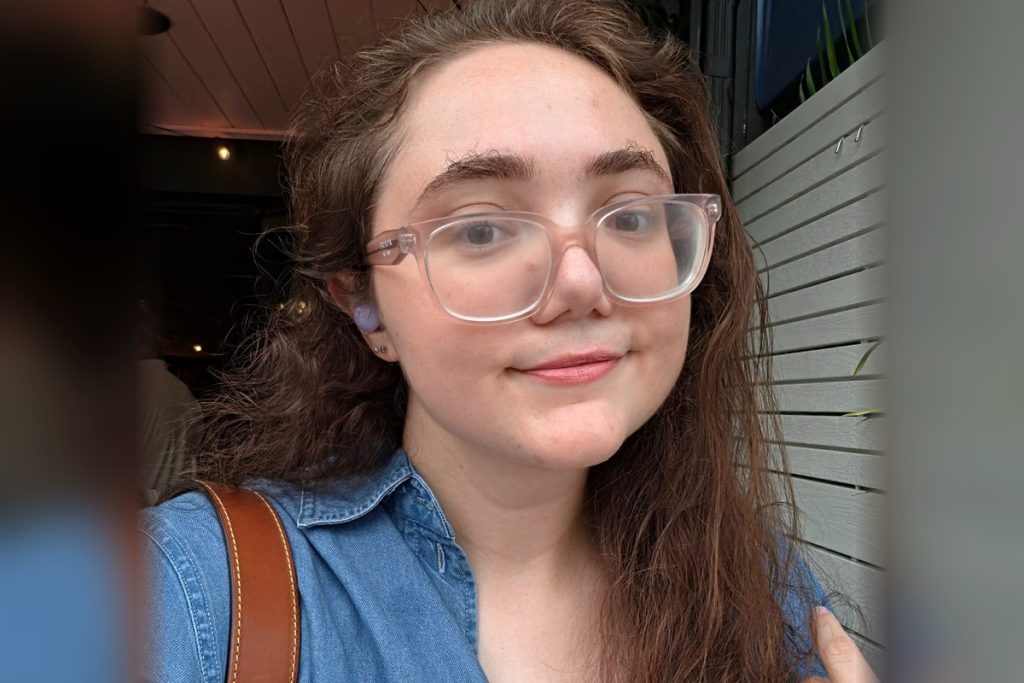
Ask yourself three questions:
Does this fit who I actually am and not who I’m trying to be? Does this fit the body I actually have right now, today? Does this work with at least three things I already own?
If the answer to all three is yes then buy it. If you’re hesitating on any of them please put it back. The right piece will feel like recognition, not aspiration. Like finding something that was already yours.
Style is not self-improvement. It’s self-expression. There’s a difference. And once you feel it you can’t unfeel it.
— Lauren 🖖🏻
Lauren Grace Zemel Writer · Model · Radiologic Technology Student · Wellness Explorer
South Florida based creative building a life at the intersection of science, storytelling, and community. Gentle Strength is my home base.
📸 @laurengracezemel 🌿 laurengracezemel.com
You are not the biggest thing out there. Not in a way that shrinks you. In a way that relieves you.
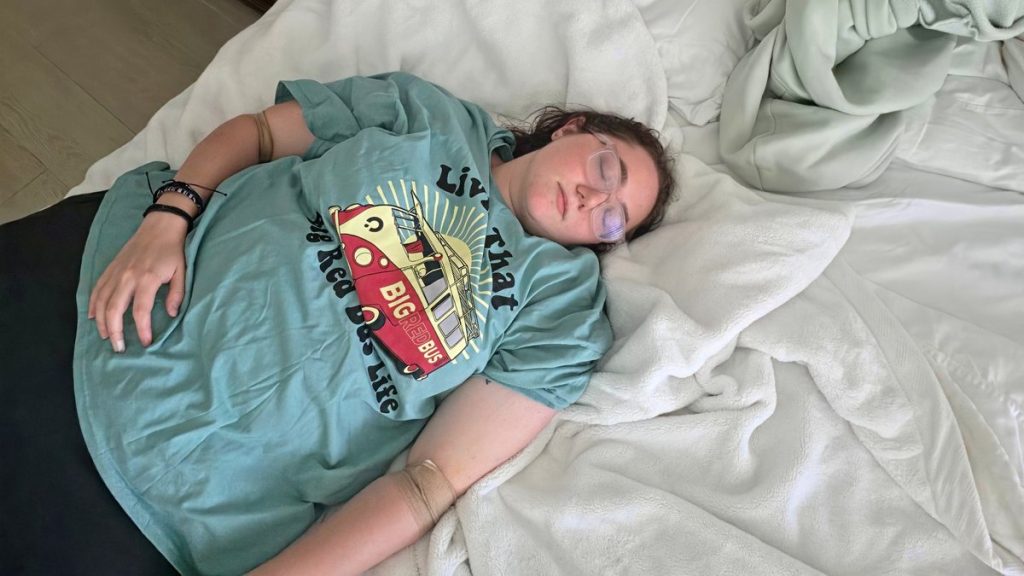
I don’t think of community service as something separate from my wellness practice. It’s part of it, right alongside sleep, movement, and everything else I actually track and protect time for. In fact, it’s a sacred part of it. The necessary part, where I account for my soul. Where I stare that angsty Slytherin soul of mine dead in the face and say, “Yes, being good is ambition too.”
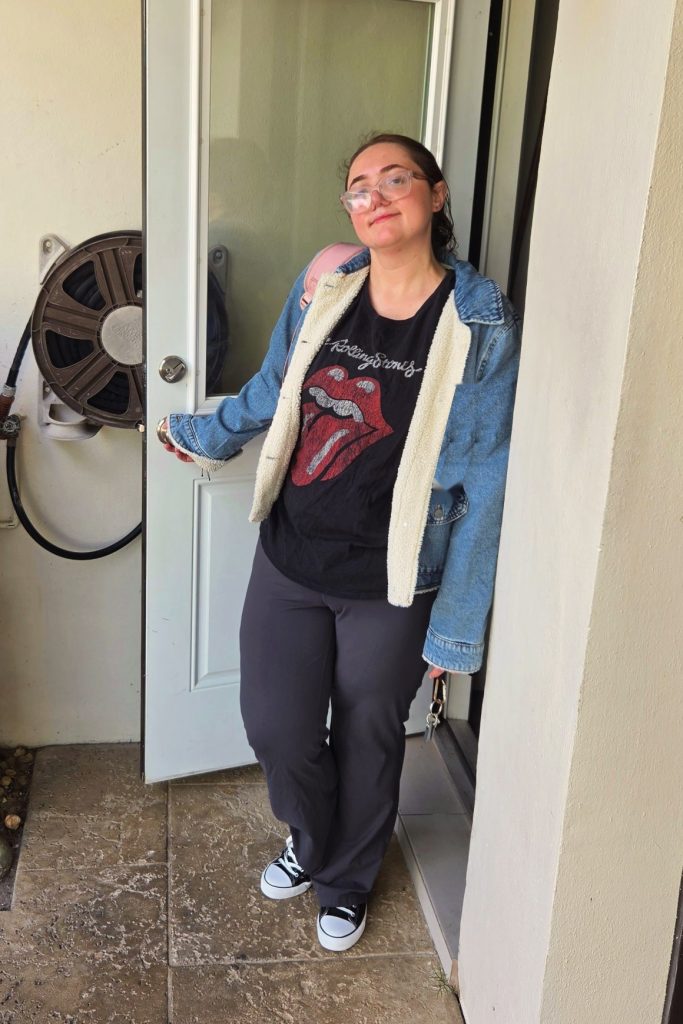
That’s not really how most people talk about it. Service usually gets filed under “good deeds” or “giving back,” as if it’s purely an outward transaction, like the expected tax break. You give, someone else receives, and your own mind isn’t really part of the equation. But that’s not what it feels like from the inside. It does something for the person doing it, too.
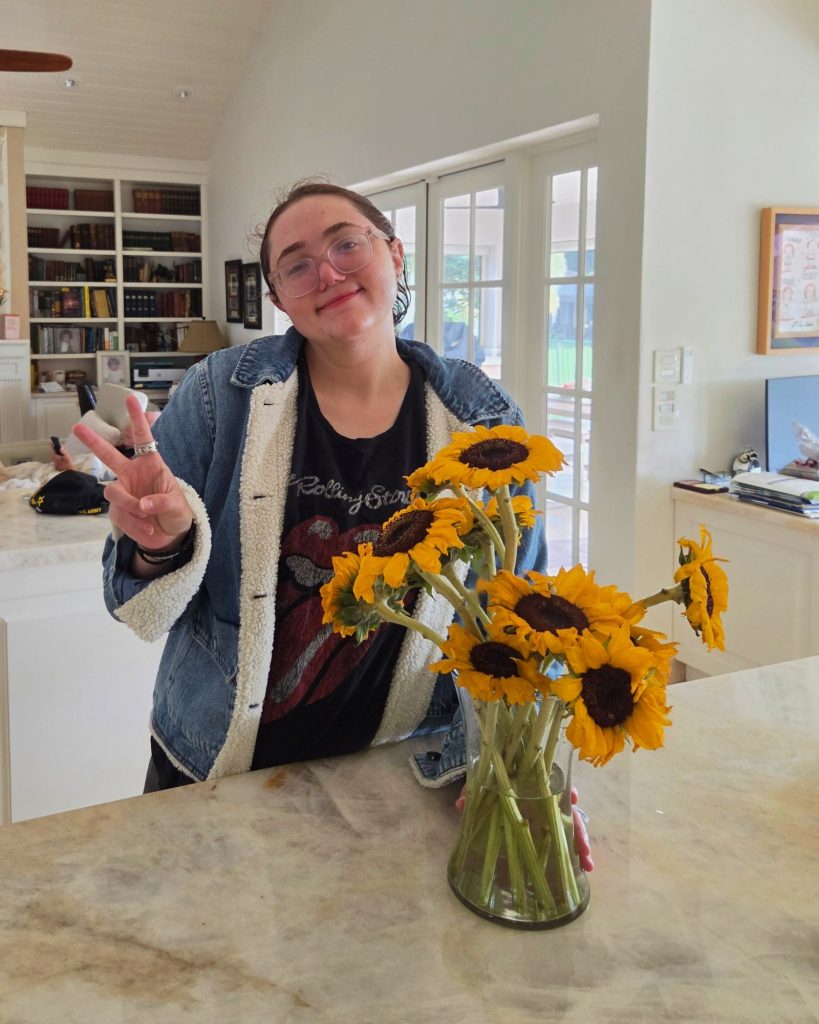
Some of this is close to home for me. The causes I keep coming back to aren’t picked at random: the Trevor Project, animal welfare through the ASPCA (for Atlas), Joe DiMaggio Children’s Hospital through the app I hope to build, and Boca Helping Hands, where I actually show up in person. And sometimes showing up means being the ride. My grandpa is a universal donor, so when the Big Red Bus comes around, I’m the one getting him there. These are all tied to things I actually care about protecting. I think that’s part of why they work as a wellness practice in the first place. It’s not generic service for the sake of service. It’s specific and personal, and that specificity is what makes it feel like care instead of obligation.
This isn’t a new idea to me, either. I grew up around the concept of mitzvot: the idea, built into how I was raised, that service isn’t a separate category of life you step into occasionally. It’s woven into everything, a constant, ordinary obligation and privilege at once. I’ve found a similar thread in Buddhist teachings on community and interdependence, the idea that individual wellbeing and the wellbeing of the people around you were never actually separate things to begin with. Different traditions, same underlying instinct: you don’t get to wellness alone. The whole “no man is an island” thing is really, really important.
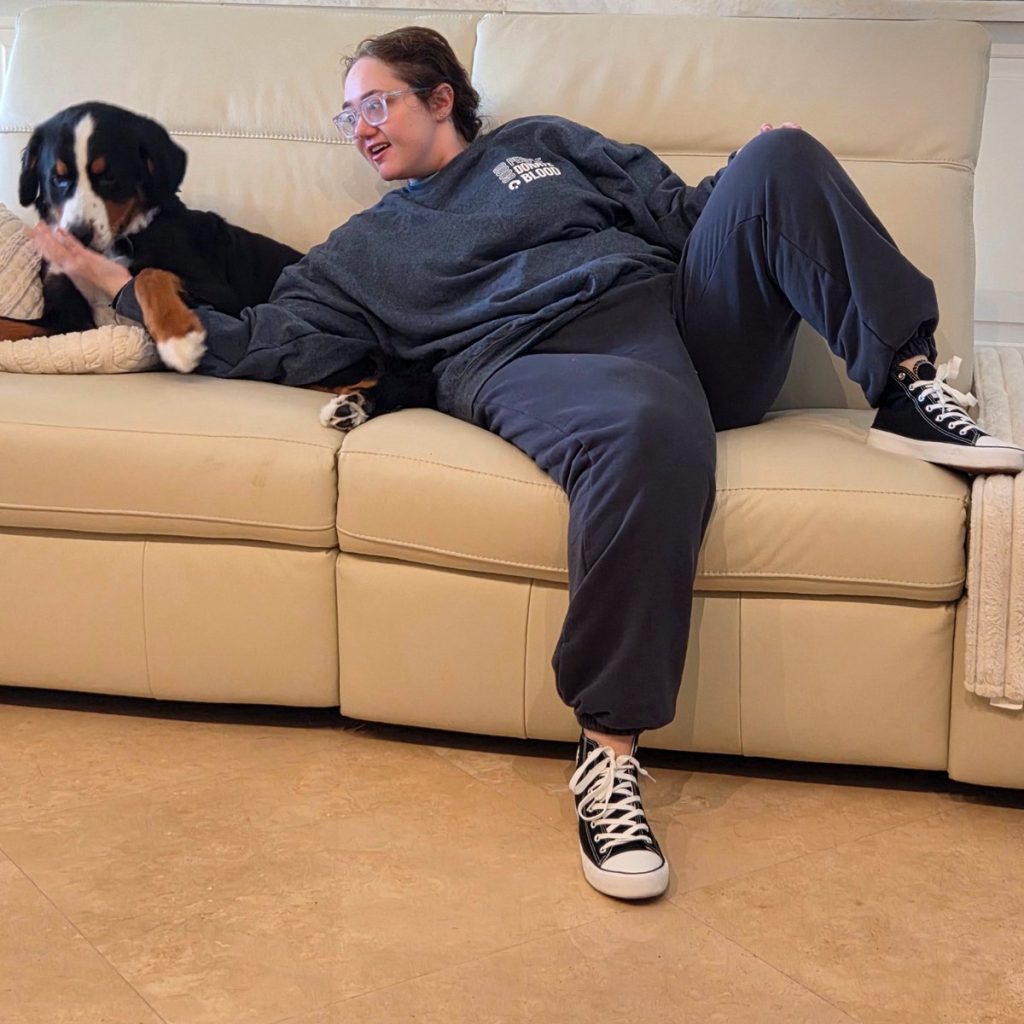
There’s real research behind why this helps the mind the way it does. Volunteering and community involvement are consistently linked to lower rates of depression and anxiety, a stronger sense of purpose, and even physical markers like lower blood pressure. Social connection, the kind that happens naturally when you’re working alongside other people toward something that matters to all of you, is one of the strongest predictors of long-term health and wellbeing we have. Isolation is one of the heaviest things a mind can carry, and service is one of the more effective, least talked-about ways to interrupt it. How do you get a hikikomori out? You inspire them to serve… in an isekai. But still, a service!
Part of what makes it work is the relationship-building itself. You’re not just handing something off and leaving. You’re standing next to people: other volunteers, the people you’re serving, the coordinators you’ll see again next month. That repeated, low-stakes social contact does something steady over time. It’s not a single dramatic act of generosity. It’s showing up again, and again, and letting yourself be known by a community instead of just passing through it.
But maybe the most important part, the part that took me the longest to actually sit with, is this: community service has a way of reminding you that you are not the biggest thing out there. Not in a way that shrinks you. In a way that relieves you. There’s a real relief in stepping outside your own head and your own problems for a few hours and putting your hands toward something bigger than yourself. It doesn’t erase what you’re carrying, but it puts it in proportion. You start to remember that you’re one part of something much larger, and that there’s peace in that, not a threat.
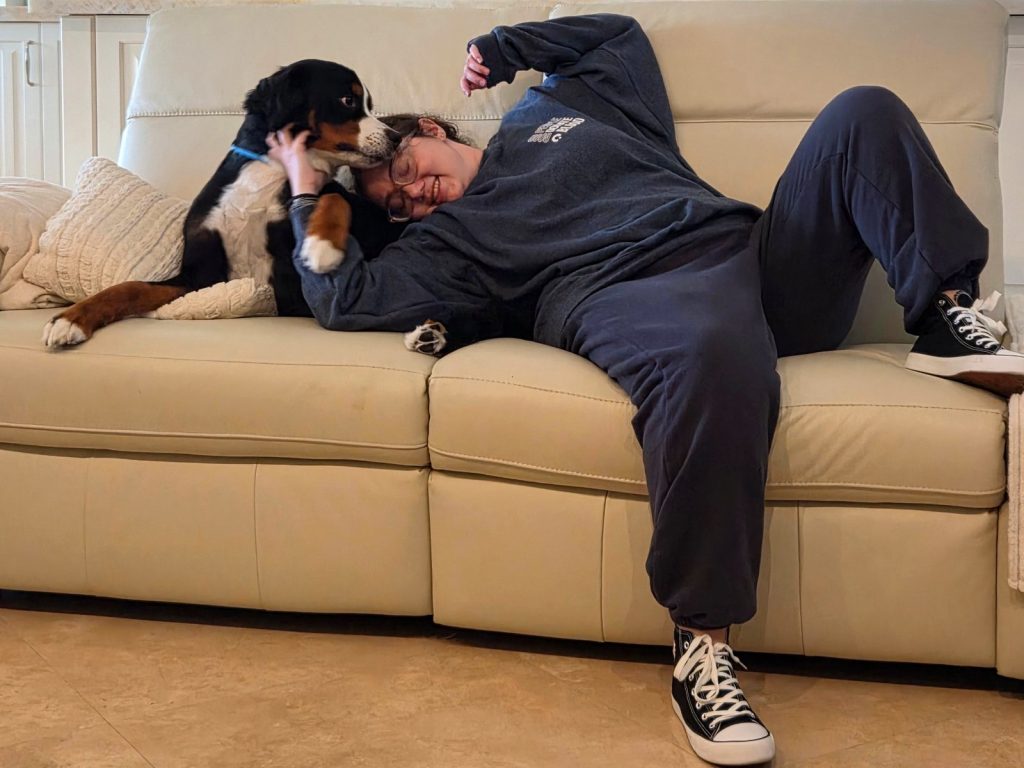
If you’re looking for a wellness practice that isn’t another app, another routine, or another thing to optimize, this might be worth trying instead. Find something that already matters to you, and go be part of it, in person, more than once. Say “I’m here,” and mean it.
— Lauren 🖖🏻
Lauren Grace Zemel Writer · Model · Radiologic Technology Student · Wellness Explorer
South Florida based creative building a life at the intersection of science, storytelling, and community. Gentle Strength is my home base.
📸 @laurengracezemel 🌿 laurengracezemel.com
Chronic illness stole my pain scale. And I didn’t notice until it was already gone.
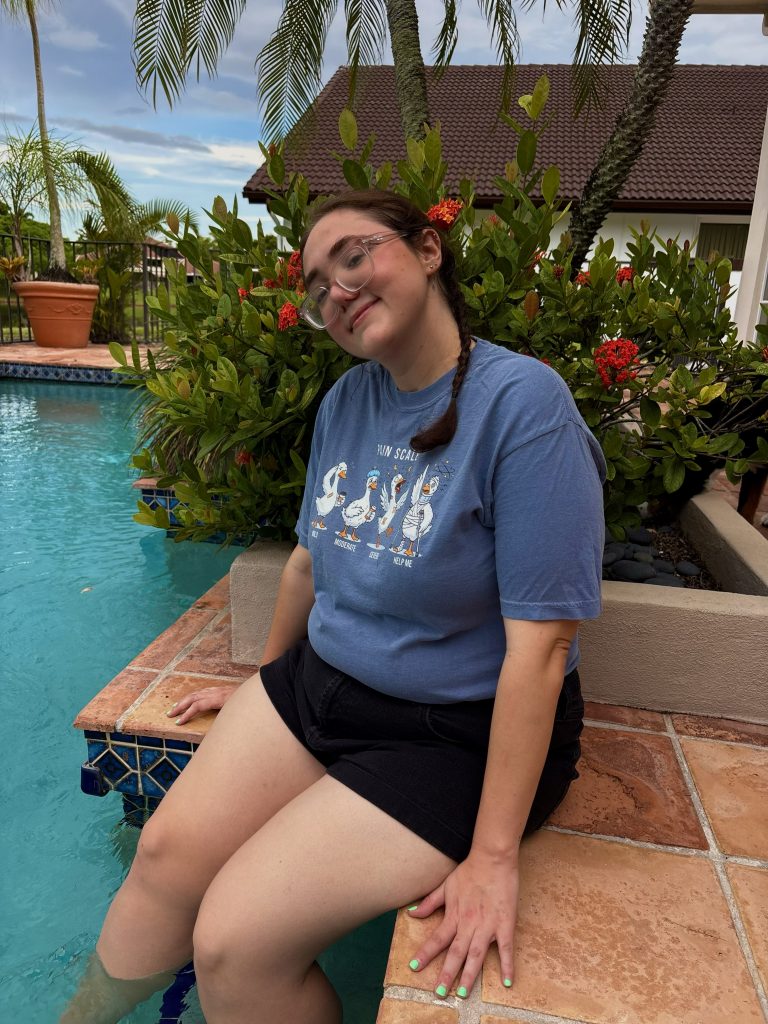
There is a particular kind of conversation I dread at the doctor’s office.
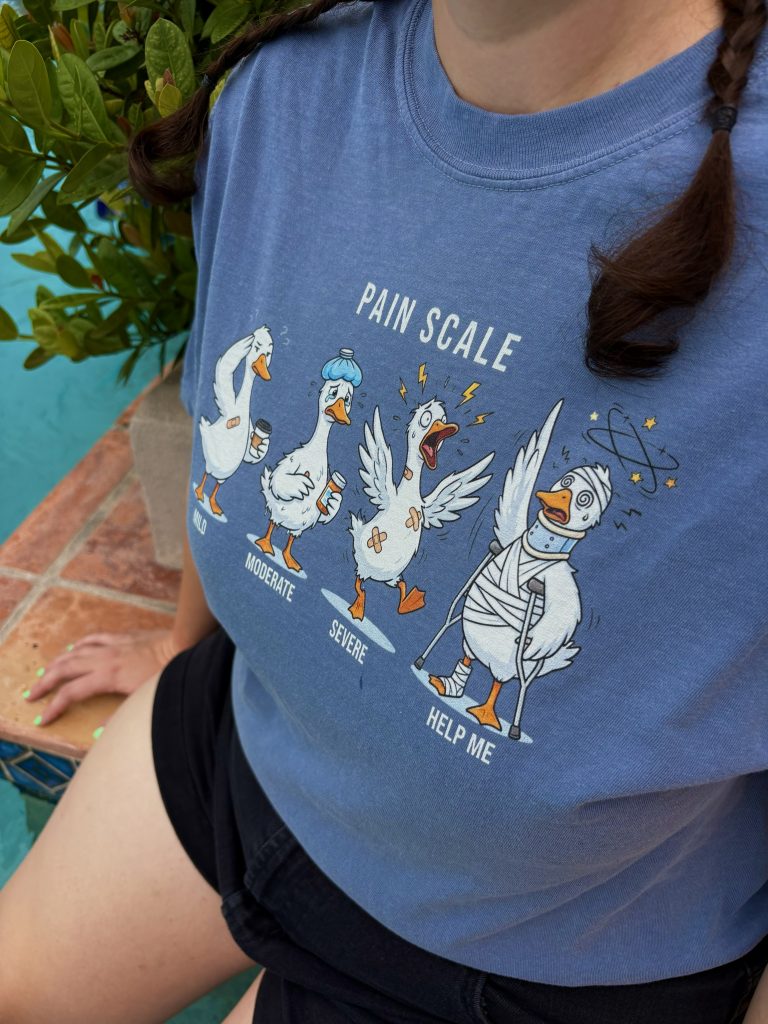
It goes like this: someone hands me a laminated card with a row of cartoon faces ranging from serene to absolutely devastated, and they ask me to point to the one that matches how I feel right now.
I stare at it every time. Not because I’m in denial. Not because I’m trying to be stoic. But because I genuinely do not know.
Somewhere along the way, between the diagnoses and the flares and the years of learning to function through things that probably should have stopped me, chronic illness stole my pain scale. And I didn’t notice until it was already gone.
The Recalibration Nobody Warns You About
When you live with chronic pain long enough, your nervous system does something quietly devastating: it recalibrates. What used to register as an eight becomes your Tuesday. A five becomes background noise. Your body stops flagging certain signals as emergencies because emergencies, sustained long enough, stop feeling like emergencies.
This is not strength. This is an adaptation. And there is a significant difference.
People tell me I have a high pain tolerance like it’s a compliment. Like I’m tougher than average, more resilient, built differently. And maybe I am, a little. But mostly I think I’m just a person whose internal measuring stick has been moved so many times it no longer lines up with anything useful.
The Problem With Not Knowing
Here is the practical consequence nobody talks about: when something is actually, urgently wrong, I often don’t know.
I’ve downplayed things I shouldn’t have. Waited too long. Described symptoms as “manageable” when a person with a functioning pain scale would have been in urgent care two days earlier. Not out of stubbornness. I genuinely could not tell the difference between “this is just how things are” and “this is new and this is serious.”
There’s a specific kind of medical gaslighting that happens to chronically ill people where doctors assume you’re exaggerating. What doesn’t get talked about as much is the inverse. The chronically ill person who has so thoroughly internalized minimization that they gaslight themselves.
I have done this. I do this. I am working on undoing it.
What A High Pain Tolerance Actually Costs
I don’t say any of this for sympathy. Chronic illness is part of my life and I’ve made a kind of peace with that, the complicated, ongoing, not-always-successful kind of peace.
But I do say it because I think there’s a version of this conversation that doesn’t get had enough.
We celebrate high pain tolerances. We frame them as toughness, as grit. In certain spaces, athletic spaces, medical spaces, everyday life, the ability to push through pain is treated as an unambiguous virtue.
And sometimes it is. But sometimes it’s a liability that looks like a virtue. Sometimes it means you don’t know you’re hurt until you’re really hurt. Sometimes it means the people around you don’t worry about you when they probably should, because you never seem to be struggling, because you learned a long time ago not to show it, because showing it didn’t change anything anyway.
The Cartoon Faces
I still don’t know how to answer the pain scale question honestly. I pick something in the middle, usually. Something that feels like it communicates “not nothing” without triggering alarm. A hedge.
What I’ve started doing instead slowly, imperfectly is describing things in specifics rather than numbers. Not “it’s a six” but “it’s the kind of pain that makes it hard to concentrate, that I’ve had for three days, that gets worse when I do X.” Language I can actually trust, because numbers stopped meaning anything to me a long time ago.
It’s not a perfect system. But it’s mine.
And if any of this sounds familiar, if you’ve ever stared at that laminated card and felt the particular vertigo of not knowing your own body’s signals anymore, I want you to know you’re not alone in that. It’s not weakness. It’s not drama. It’s just what living in a body that’s been through a lot sometimes looks like from the inside.
— Lauren 🖖🏻
Lauren Grace Zemel Writer · Model · Radiologic Technology Student · Wellness Explorer
South Florida based creative building a life at the intersection of science, storytelling, and community. Gentle Strength is my home base.
📸 @laurengracezemel 🌿 laurengracezemel.com